

Knivslibning
Hold dine knive skarpe - se vores udvalg af knivslibere og strygestål


Leder du efter en specifik serie?
Mangler du også nogle knive, som du kan holde skarpe? Vælg mellem vores to knivserier.

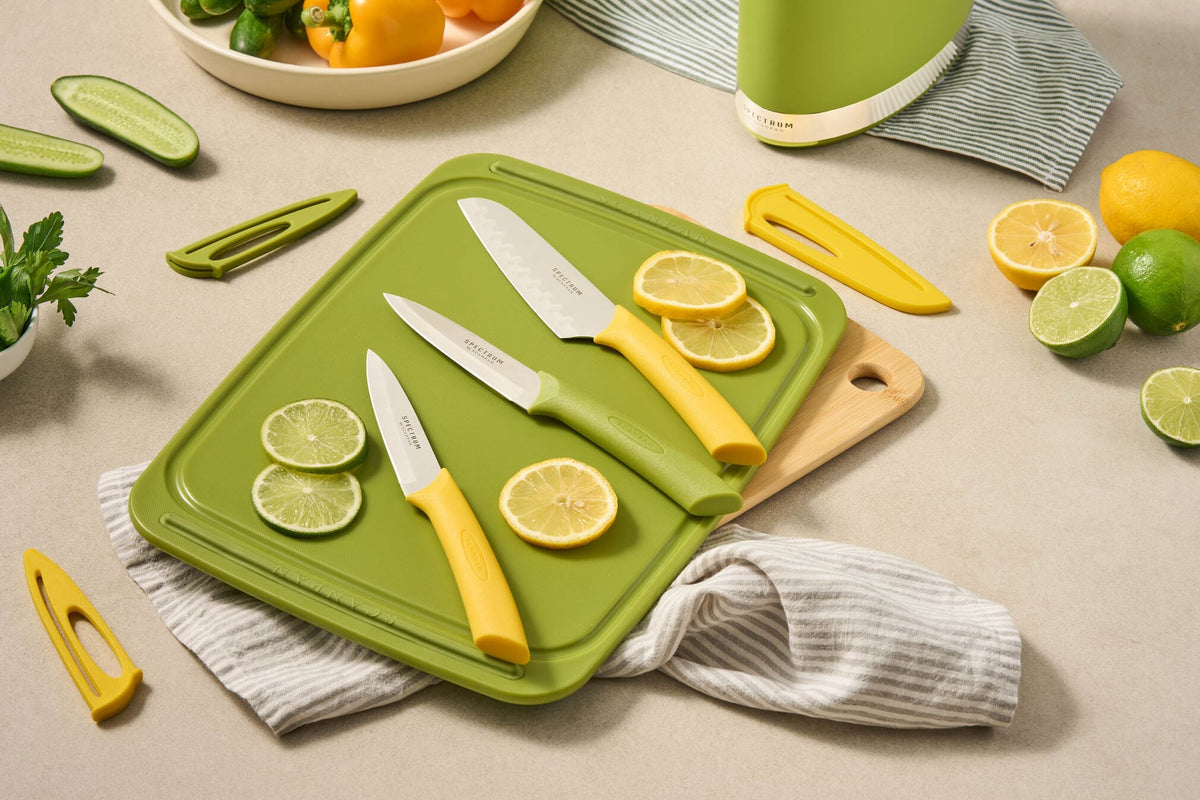

Forskellige måder at slibe dine knive på
Hold dine knive skarpeKnivslibning handler om at bevare knivens skarphed og sikre et præcist snit under madlavning. Her får du overblik over metoder, redskaber og teknikker, der gør det muligt at genoprette og vedligeholde skæret på både vestlige og japanske knive.
FAQ
Info om knivslibning
Den optimale metode til at slibe og vedligeholde knive afhænger af, hvilken type knivsliber du vælger, og hvilke knive du bruger. Classic-serien byder på både manuelle knivslibere og strygestål, så du kan finde det redskab, der passer til din rutine og præference. Mangler du flere knivtyper til dit køkken, kan du finde hele udvalget af køkkenknive designet til forskellige formål.
Strygestål og diamant strygestål
- Strygestål: Strygestål bruges til løbende vedligeholdelse af knivens æg. Det findes både som traditionelt, rundt strygestål og i en flad version, som kan give lidt mere kontaktflade til klingen.
- Diamant strygestål: Den diamantbelagte udgave har en mere effektiv slibende effekt og kan rette og forny æggen på knive, der har mistet noget af deres skarphed.
- Et traditionelt strygestål retter primært knivens æg op, mens et diamantstrygestål også har en slibende effekt.
3-trins knivsliber - våd eller tør
- SCANPANs 3-trins knivsliber er udstyret med slibehjul af tungsten, diamant og keramik, så du kan gennemgå tre effektive trin fra grovslibning til finish.
- Fås både i en version, hvor der skal bruges vand og en uden
- Først formes æggen, så forfines den og til sidst poleres den for en glat og skarp kant.
- Knivsliberen kan bruges til de fleste knive i køkkenet og er enkel at betjene. Den anbefales til regelmæssig vedligeholdelse, så knivene forbliver skarpe og funktionelle.
- Det er vigtigt at følge brugsanvisningen og ikke at presse for hårdt – et let, jævnt tryk sikrer et godt resultat og forlænger knivens levetid.
Det er vigtigt at slibe knive i den korrekte vinkel, typisk 15-20 grader for vestlige knive. Brug strygestål til daglig vedligeholdelse og knivsliber til at genskabe skarpheden, når kniven føles sløv. Ved at kombinere de forskellige redskaber opnår du en optimal balance mellem vedligeholdelse og effektiv slibning. For at beskytte knive og skæreflader anbefales det at anvende et skærebræt i træ eller plast.
- Brug strygestål jævnligt for at holde æggen lige.
- Anvend knivsliberen efter behov, når kniven ikke længere føles skarp.
- Rengør og tør altid kniven grundigt efter slibning.
- Strygestål kan bruges dagligt, mens knivsliberen typisk anvendes efter behov – det kan variere afhængigt af knivens brug og materiale.
- Det er en fordel at øve teknikken på en mindre værdifuld kniv, indtil du har styr på processen.
- Selve knivsliberen og strygestålet bør rengøres regelmæssigt, så sliberesultatet altid er optimalt.
Forkert slibevinkel, for hårdt tryk eller brug af forkert redskab kan beskadige knivens kant og forkorte dens levetid. Undgå at overslibe kniven, og sørg for at vælge det rette redskab til netop din knivtype. Opbevaring spiller også en vigtig rolle, og med knivmagneter kan du sikre, at knivene ikke bliver sløve eller beskadigede under opbevaring.
- Hvor ofte skal jeg bruge en knivsliber? Brug knivsliberen, når kniven føles sløv – det kan være fra et par gange om måneden til sjældnere, afhængig af brug.
- Kan jeg bruge strygestål på alle knive? Strygestål kan anvendes på de fleste knive fra Classic-serien, men følg produktets anvisninger for det bedste resultat.
- Hvordan opbevarer jeg bedst mine knive? Opbevar knive i en knivblok eller på en knivmagnet for at beskytte klingen og forlænge levetiden. Tilbehør som skærebrætter og opbevaringsløsninger kan også bidrage til længere holdbarhed.